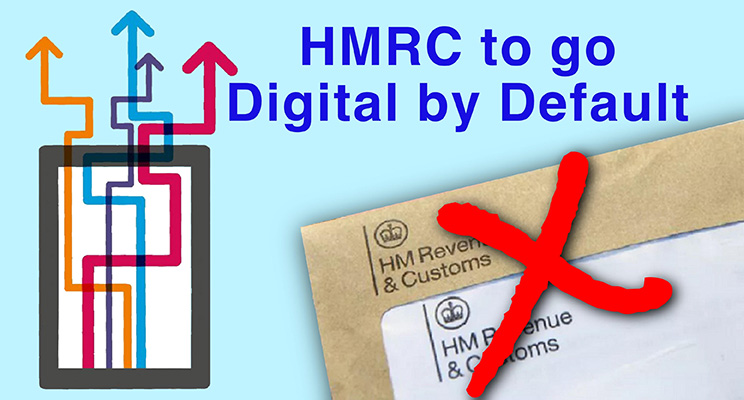

The way HMRC communicates with taxpayers in the UK is changing. Gone are the days when every tax notice, coding update, or repayment alert arrived through your letterbox. HMRC digital letters are now a central part of how the tax authority shares important information with individuals and businesses. Understanding how this system works, what it means for you, and how to stay on top of your tax affairs has never been more important. This article breaks down everything you need to know about HMRC digital communication.
What Are HMRC Digital Letters?
HMRC digital letters are official notifications sent electronically to taxpayers through the HMRC online account system, rather than by post. These communications cover a wide range of topics, including tax code changes, Self Assessment reminders, repayment notices, and general account updates. When a new digital letter is available, HMRC sends an alert to your registered email address, prompting you to log in and read it. The letters themselves are stored securely within your Personal Tax Account or Business Tax Account.
Why Is HMRC Moving Towards Digital Communication?
The shift to digital communication is part of HMRC’s broader Making Tax Digital (MTD) initiative, which aims to modernise the UK tax system. Digital letters reduce the reliance on paper, cut administrative costs, and speed up the delivery of important tax information. HMRC has stated that digital communication is more secure than traditional post, as letters cannot be lost, intercepted, or delayed in transit. For taxpayers, this means faster access to critical updates that can affect their tax position or payment deadlines.
How to Access Your HMRC Digital Letters
To receive and read HMRC digital letters, you need a Government Gateway account linked to your Personal Tax Account. Once set up, you will receive email alerts when new correspondence is available. You must then log in to your HMRC online account to view the full letter. It is important to keep your email address updated within the system to ensure you never miss a notification. HMRC does not send the full content of the letter via email for security reasons; only the alert is delivered to your inbox.
Who Is Affected by HMRC Digital Letters?
HMRC digital letters currently apply to a growing number of taxpayer groups, including individuals under PAYE, Self Assessment filers, employers, and VAT-registered businesses. HMRC has been gradually expanding its digital correspondence to cover more communication types and more taxpayer categories. While some taxpayers may still receive paper letters in certain circumstances, HMRC’s direction of travel is clear: digital communication will eventually become the default for most correspondence. Those without internet access or who face digital exclusion can still request paper letters by contacting HMRC directly.
The Benefits of Digital Letters for Taxpayers
For most people, HMRC digital letters offer several practical advantages. They are accessible at any time, from any device, without having to wait for the post. They are stored in one central location, making it easier to keep a record of your tax communications. Digital letters also reduce the risk of sensitive tax information being seen by others in a shared household. Additionally, some letters include clickable links directly to relevant sections of your HMRC account, allowing you to take action quickly without having to navigate the website manually.
Potential Concerns and How to Address Them
Despite the benefits, some taxpayers have expressed concern about missing important HMRC digital communication if email alerts go unnoticed or end up in spam folders. HMRC advises regularly checking your online account, even if no email has been received, particularly around key tax dates such as 31 January and 5 April. There are also concerns about online fraud, as scammers sometimes send fake HMRC emails. Always remember that legitimate HMRC email alerts will never include the full letter or ask for personal information directly in the email. If in doubt, log in to your account directly rather than clicking any email link.
FAQs
Q1: Will I still receive paper letters from HMRC?
HMRC is progressively moving towards digital-only communication, but paper letters may still be issued in certain situations, such as legal notices or for taxpayers who have requested paper correspondence due to accessibility needs. It is best to check your online account regularly regardless.
Q2: What should I do if I miss an HMRC digital letter notification?
If you miss the email notification, log in directly to your Personal Tax Account at gov.uk to check for any new correspondence. HMRC stores all digital letters securely within your account, so nothing is permanently lost.
Q3: Is it safe to receive tax communications digitally?
Yes. HMRC digital letters are stored within a secure government system that requires two-step verification to access. The system is considered more secure than physical post, which can be lost, stolen, or delayed.
Q4: Can I opt out of HMRC digital letters?
Currently, HMRC does not offer a straightforward opt-out from digital communication for those who have an active online account. However, individuals who face genuine barriers to digital access can contact HMRC to request paper alternatives.
Q5: Do HMRC digital letters have legal standing?
Yes. HMRC digital letters carry the same legal weight as paper correspondence. Deadlines stated within digital letters, such as those for appeals or payments, must be adhered to just as they would with a posted notice.
Conclusion
HMRC digital letters represent a fundamental shift in how the tax authority communicates with millions of people across the UK. As digital communication becomes the norm, staying engaged with your HMRC online account is no longer optional — it is essential. Regularly checking your Personal Tax Account, keeping your contact details current, and understanding how to identify legitimate HMRC correspondence will help you stay compliant and avoid unnecessary penalties. Embracing this change now puts you in the best position to manage your tax affairs efficiently in a digital-first world.